




Why Asking Everyone for Advice Is Keeping You Stuck
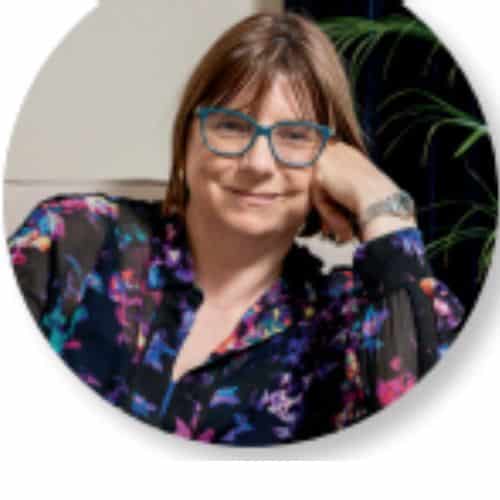
Executive business coach and mentor Joanna Denton on trusting yourself to make your own decisions.
The Problem with Too Much Advice
There’s something we’re told is wise.
“Talk it through.”
“Get a second opinion.”
“Don’t rush the decision.”
And sometimes that’s exactly right.
But there’s a quieter pattern I see – particularly in capable women – that looks sensible on the surface and quietly keeps them stuck.
They ask everyone.
A colleague over coffee.
A partner over dinner.
A friend on the school run.
A mentor on Zoom.
By the end of the week, they have 143 different opinions – and somehow feel less clear than when they started.
Imagine that you are considering applying for a more senior role. You have the experience. The track record. The credibility.
Before submitting the application, you mention it to a colleague.
“Are you sure?” comes the response.
“What if they say no? It could make things awkward.”
That evening you raise it at home.
“Just be careful,” your partner says. “You don’t want to come across as pushy.”
By the time you speak to your mentor a few days later, your original excitement has drained away. Now the conversation is about timing, politics and optics.
Nothing has changed about your capability.
But everything has changed about your confidence.
What Happens When We Crowdsource Big Decisions
Here’s what’s really happening when we crowdsource big decisions.
First: people project their own fears.
Your colleague’s discomfort with rejection.
Your partner’s instinct to avoid risk.
Your friend’s anxiety about money.
They’re not intentionally holding you back.
They care. They want you safe.
But they are answering the question through the lens of their life, not yours.
Second: we often choose who to ask based on what we secretly want to hear.
If we want encouragement, we call the entrepreneurial friend.
If we want reassurance to stay put, we call the cautious one.
We tell ourselves we’re gathering data.
In reality, we’re often seeking permission.
Third: most people jump straight to solutions.
Very few pause to ask, “What do you actually want?” or seek to really understand your position.
They assume they understand the situation and start solving their version of your problem.
The result?
More voices in your head.
More noise.
Less trust in yourself.
And over time, something more subtle happens.
You begin to mistrust your first instinct.
That quick, clear flash of knowing – the one that arrived before you started polling everyone else – gets quieter.
Instead of asking, “What do I think?” you ask, “What will they think?”
You become highly attuned to managing perception.
Highly skilled at minimising risk.
Highly practised at explaining your choices before you’ve even made them.
From the outside, this looks thoughtful.
On the inside, it feels like erosion.
When Confidence Gets Drowned Out
I see this pattern at every life stage.
A woman in her late twenties wondering whether to move abroad for an opportunity.
She mentions it casually to friends and is met with concern about distance, housing costs and loneliness.
Within days, her excitement turns into anxiety.
When Advice Becomes Permission
A woman in her early sixties considering stepping back from a long held role to create space for something new – volunteering, studying, simply resting.
Her family worries she’ll be bored.
Colleagues question her timing.
She begins to question it too.
In both cases, the decision itself isn’t the real issue.
The issue is the slow outsourcing of authority.
We are often praised for being collaborative, for being good listeners, for taking others into account.
Those are strengths.
But when every meaningful choice requires collective approval, something fundamental shifts.
You stop being the author of your life and become its project manager.
Of course, wise counsel matters.
I am not suggesting we make life-changing decisions in isolation.
But there is a difference between thoughtful consultation and handing over the final say.
Listening to Yourself
If you find yourself repeatedly asking for advice about the same issue – the promotion, the move, the course, the worth pursuing – pause.
What are you hoping someone will say?
Often, underneath it all, the unspoken desire is simple.
“Tell me I’m not foolish.”
“Tell me I won’t regret it.”
“Tell me I’m ready.”
But no one else can give you certainty.
At some point, every significant step – whether at 25, 45 or 75 – involves a degree of ambiguity.
The women I see move forward are not the ones with reassurance.
They are the ones who eventually say, “I’ve listened. Now I need to decide.”
There’s a steadiness that comes with that.
Not recklessness.
Not bravado.
Just ownership.
The Question That Changes Everything
So if there’s something circling for you right now – a change you’re contemplating, a conversation you’re postponing, an opportunity you keep revisiting – perhaps the most powerful question isn’t:
“Who else should I ask?”
Perhaps it’s:
“If I stopped asking everyone else for a moment… what do I already know?”
You may find the answer has been there all along – waiting for you to trust it.
JD Speaking and Strategy Ltd
River House
48–60 High Street
Belfast, BT1 2BE
Tel: +44 (0)7795085297
Email: joanna@joannadenton.com
Website: www.joannadenton.com