




The Perimenopause Symptom No One Talks About
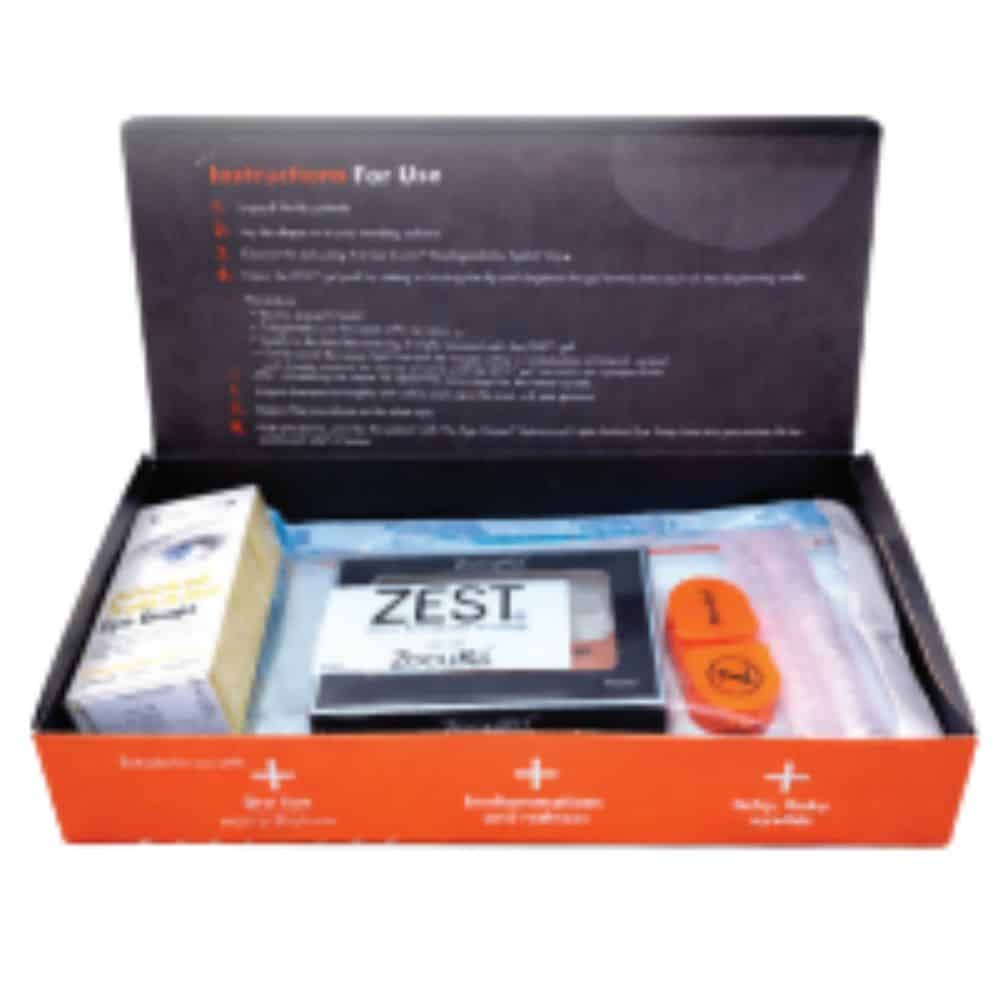
Dry, sore or watery eyes can be an overlooked sign of perimenopause. The team at Fairbairn Opticians explain why hormonal changes can affect your tear production and how the right treatment can bring real relief.
You’ve read up on hot flushes, sleepless nights and mood swings. But there’s one perimenopause symptom that rarely makes the headlines, and it’s one that millions of women experience every single day – dry eye disease.
If your eyes have been feeling gritty, sore, tired or oddly watery lately, your hormones could well be to blame. Here’s what you need to know.
During perimenopause, the years leading up to your final period, oestrogen and androgen levels can fluctuate dramatically.
These hormones don’t just influence your reproductive system, they also play a vital role in maintaining healthy tear production. The lacrimal glands, which produce your tears, are highly sensitive to these hormonal shifts.
As hormone levels drop, both the quantity and quality of your tears can decline. The result is a cycle of irritation, inflammation and discomfort that can significantly affect your quality of life. Yet it is frequently dismissed or left undiagnosed.
Dry eye disease can present differently in different women, which is one reason it often goes unrecognised.
Common symptoms include a persistent gritty or sandy sensation, as though something is caught in your eye, burning or stinging, especially at the end of the day, redness, sensitivity to light, blurred vision that clears momentarily when you blink, and confusingly, episodes of excessive watering.
This happens because the eye, starved of quality lubrication, triggers a reflex flood of tears as a distress signal.
You may also notice that symptoms worsen in certain environments, such as air-conditioned offices, centrally heated rooms, long car journeys, or during prolonged screen use. If you wear contact lenses, you might find them increasingly uncomfortable to tolerate.
The good news is that dry eye is very treatable, and with the right approach, a remarkable difference can be made.
Artificial tear drops and lubricating gels are often the first port of call, helping to supplement your natural tear film. Preservative-free formulations are generally best for regular use.
Alongside this, simple lifestyle adjustments, such as taking regular screen breaks, using a humidifier at home, staying well hydrated, and eating oily fish rich in omega-3 fatty acids, can all support healthier tear production.
For more persistent cases, specialist treatments are available. These include warm compress therapy to unblock the meibomian glands that produce the oily layer of your tear film, prescription anti-inflammatory eye drops, punctal plugs, which are tiny devices that help retain tears on the eye’s surface, and advanced in-clinic treatments such as intense pulsed light (IPL) therapy, which has shown impressive results for gland dysfunction.
If any of the above sounds familiar, it is worth seeking a professional assessment.
Dry eye is a clinical condition, and a proper diagnosis means you can access the right treatment rather than spending years managing symptoms with over-the-counter drops alone.
Fairbairn Opticians have recently launched a dedicated Dry Eye Clinic, offering comprehensive assessments to diagnose the condition and identify its underlying causes. Using specialist equipment, their experienced team can evaluate the health of your tear film and meibomian glands, and create a personalised treatment plan tailored to your needs.
Whether your symptoms are mild or have been making daily life a struggle, they can help you find lasting relief.
Don’t settle for sore, uncomfortable eyes as an inevitable part of the menopause journey. Help may be closer than you think.
Fairbairn Opticians
Banbridge
028 4062 4979
102 Newry Street, BT32 3HE
Newry
028 3026 5200
6 Sugar Island, BT35 6HT