




The Changing Landscape of Transport
Civil engineer and transport planner Karen McShane explores how recent legal rulings, climate legislation and global supply chain disruption are reshaping the future of infrastructure and transport projects across Northern Ireland.
The implications of recent legal decisions are beginning to impact all of us working within the transport sector in Northern Ireland. Changes in the legal landscape are reshaping how transport and infrastructure projects, along with the related quarrying sector, are planned and delivered across the country.
One of the most significant examples is the recent decision surrounding the A5. The ruling highlighted the need for careful planning and stronger coordination between government departments to ensure compliance with climate change legislation, particularly the Climate Change Act.
This is likely to lead to increased scrutiny of major infrastructure projects and more rigorous environmental assessments in the years ahead. It is important that all transport professionals take climate change into account when developing future proposals.
Government departments may now also be required to demonstrate clearly how projects comply with climate legislation before they can move forward.
There is little doubt that the ruling will change how infrastructure projects are delivered, with a greater focus on ensuring schemes align with statutory climate targets and carbon budgets.
At the same time, the decision has also delayed a much-needed project. More than 50 lives have been lost along the A5 since 2006, and the road upgrade remains vital in addressing existing safety concerns. Improved infrastructure is also essential for public transport reliability, helping services maintain dependable journey times and schedules.
The ruling therefore has significant implications for the wider industry, potentially leading to more cautious project development and a greater emphasis on environmental considerations throughout the planning process.
The Climate Change Act also raises wider questions around emissions linked to global supply chains. Current disruption around the Straits of Hormuz is increasing costs and emissions associated with transporting road-building and active travel materials to Northern Ireland.
We have already seen how international disruption can affect local projects. Previous blockages in the Red Sea and around the Suez Canal led to increased shipping times and rising costs, directly impacting the delivery of materials here in Northern Ireland. There will understandably be concern about a repeat of those challenges.
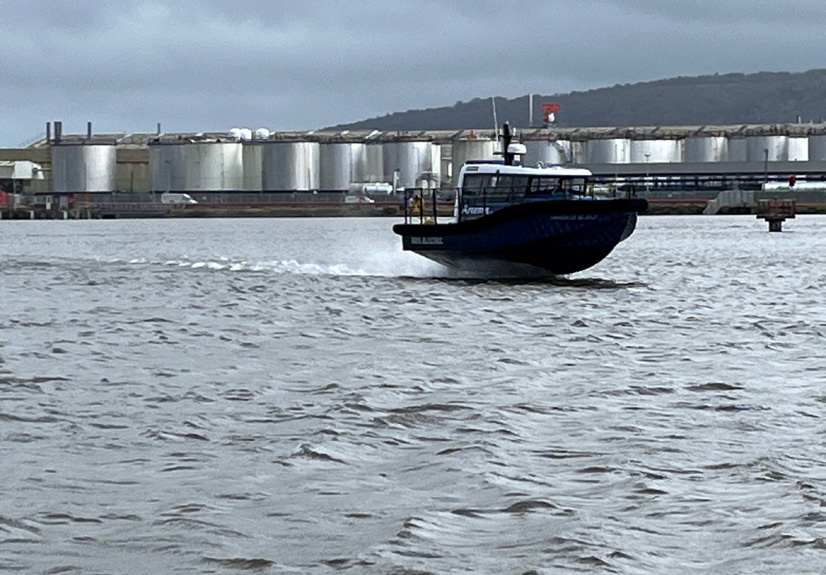
It perhaps also raises an important question for the future. Should we now be investing more in sustainable shipping technology and innovation? Belfast-based Artemis Technologies is already leading exciting developments in this area, and there may be opportunities to support this type of sustainable transport on a much larger scale in the years ahead.
On another note, this month I attended the CIHT Annual Dinner and Awards held at the Ulster Transport Museum. Congratulations to all of the winners, who showcased a range of innovative and sustainable projects from across the industry.
Karen McShane Ltd
Address: Albany House, 73-75 Great Victoria Street, Belfast, BT2 7AF
Tel: +44 (0) 28 9560 9798
Email: info@karenmcshane.co.uk
Website: www.karenmcshane.co.uk