


The Heart Truth Women Need to Hear
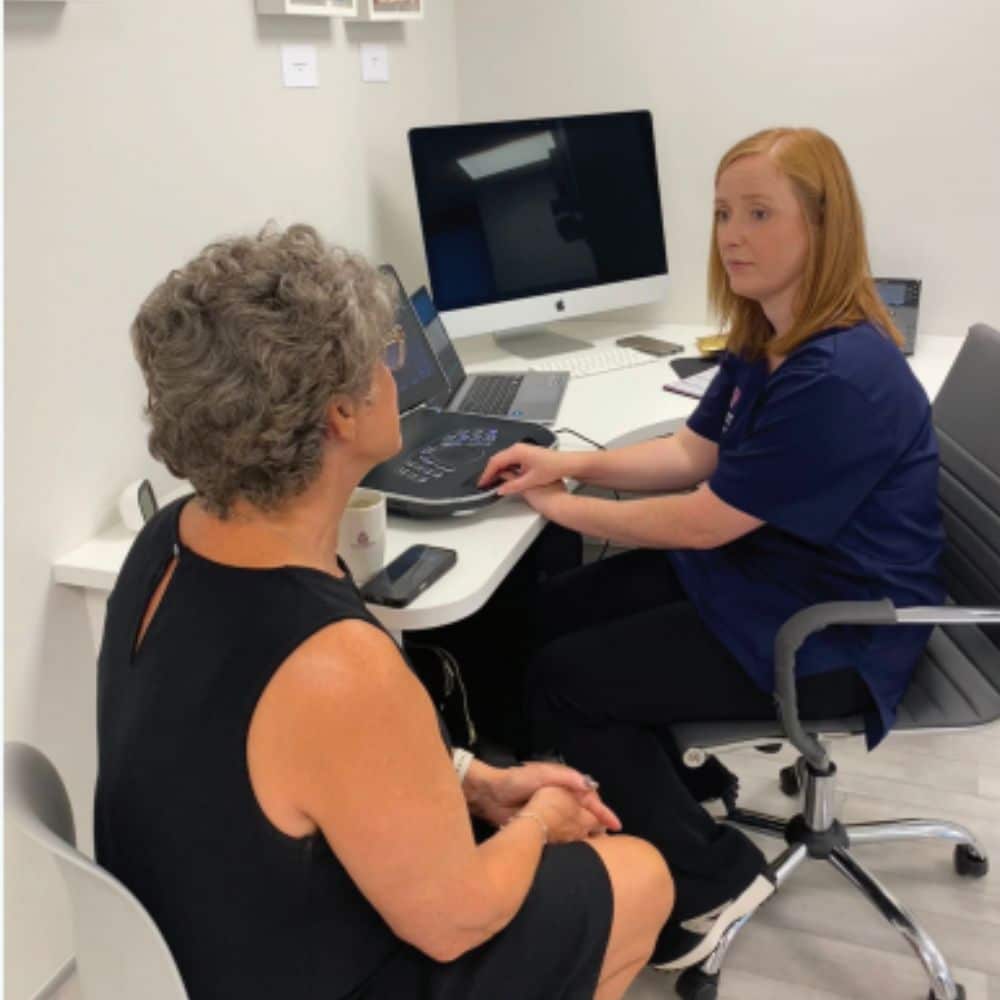
Clinical Scientist Charlotte Currie, founder of Heart Health Hub at Culloden Estate & Spa, explains why heart disease is still too often overlooked in women, and the simple steps that could make all the difference.
When most people think about heart disease, they still picture it as something that mainly affects men, or something that happens much later in life. But the reality is very different.
Heart disease remains one of the leading causes of death for women across the UK, including here in Northern Ireland. Yet many women still do not realise how important it is to understand their own risk.
The good news is that awareness can be incredibly powerful. Many heart conditions are preventable, and knowing what to look out for is one of the most important things we can do for our long-term health.
One of the biggest issues is that heart symptoms in women do not always look the way we expect.
Most of us are taught to think of chest pain as the classic warning sign of a heart attack, and while that can absolutely happen, women may also experience symptoms such as shortness of breath, unusual fatigue, nausea, dizziness, or discomfort in the back, neck, jaw or shoulders.
Those symptoms can be much easier to dismiss. They can be mistaken for stress, anxiety, hormonal changes, poor sleep, or simply feeling run down. That is one of the reasons women’s heart health has historically been under-recognised. Understanding that these signs can present differently in women is vital, because early recognition really can save lives.
Another common misconception is that heart problems are only something to think about later in life.
While the risk does increase with age, the foundations of heart health are laid much earlier. High blood pressure, raised cholesterol, smoking, diabetes, obesity and inactivity can all begin to affect cardiovascular health in our twenties and thirties, sometimes long before symptoms appear.
That is why prevention matters at every stage of life, not just when we reach midlife.
In recent years, there has also been growing interest in heart screening for younger adults, including those under 40.
Screening can sometimes help identify inherited or structural heart conditions that may not be causing symptoms but could still carry risk.
Tests such as ECGs and echocardiograms can, in some cases, pick up abnormalities early and allow someone to seek specialist advice.
Routine screening is not recommended for everyone, but if you have a family history of heart disease, unexplained fainting, palpitations, or a history of sudden cardiac death in the family, it is well worth discussing screening options with a healthcare professional.
Hormones are another important part of the picture.
Before menopause, women often have a lower risk of heart disease than men of the same age, partly due to the protective effect of oestrogen.
But after menopause, that risk rises significantly. This makes midlife a really important time to start paying closer attention to cardiovascular health, especially if it is not something you have ever thought much about before.
Pregnancy can also tell us more than many women realise. Conditions such as pre-eclampsia, gestational diabetes or high blood pressure during pregnancy are now recognised as possible indicators of increased cardiovascular risk later in life. If you have experienced any of these, it is important to mention them to your GP as part of your wider health picture.
The encouraging part is that heart health is not only about risk, it is also about opportunity.
Small, consistent lifestyle changes can make a real difference.
Regular movement, even something as simple as a brisk 30-minute walk on most days, can help strengthen the heart, lower blood pressure and improve cholesterol levels. A balanced diet rich in fruit, vegetables, whole grains and healthy fats can also support long-term heart health, while cutting back on excess salt and heavily processed foods can help protect blood pressure.
Just as importantly, know your numbers.
Regular health checks, including blood pressure, cholesterol and blood sugar, can identify issues early, often before symptoms develop. That gives you the chance to make changes or seek support before problems become more serious.
Heart health should never feel like something women only think about when there is a scare.
It is something every woman deserves to understand, at every age.
By recognising the signs, understanding the risks and taking simple preventative steps, women in Northern Ireland can feel more informed, more confident and more in control of their heart health for the future.
Heart Health Hub
Bangor | Dundonald | Holywood
Tel: 028 9042 2500
Email: info@hearthealthhub.org
www.hearthealthhub.co.uk