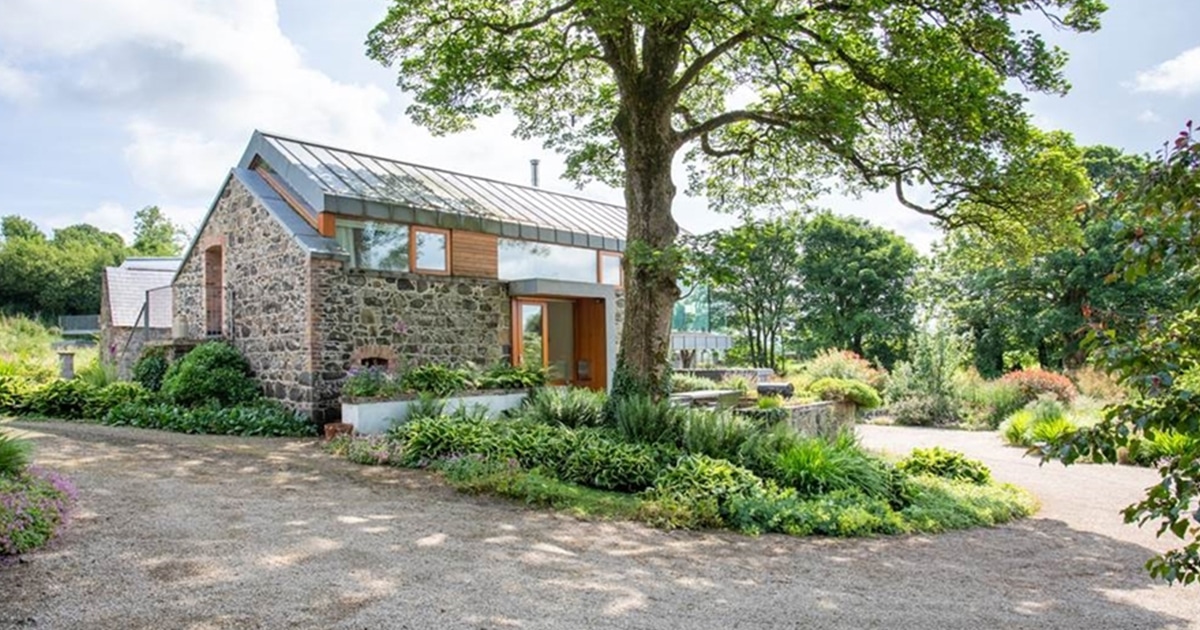





Why Good Lighting Design Matters
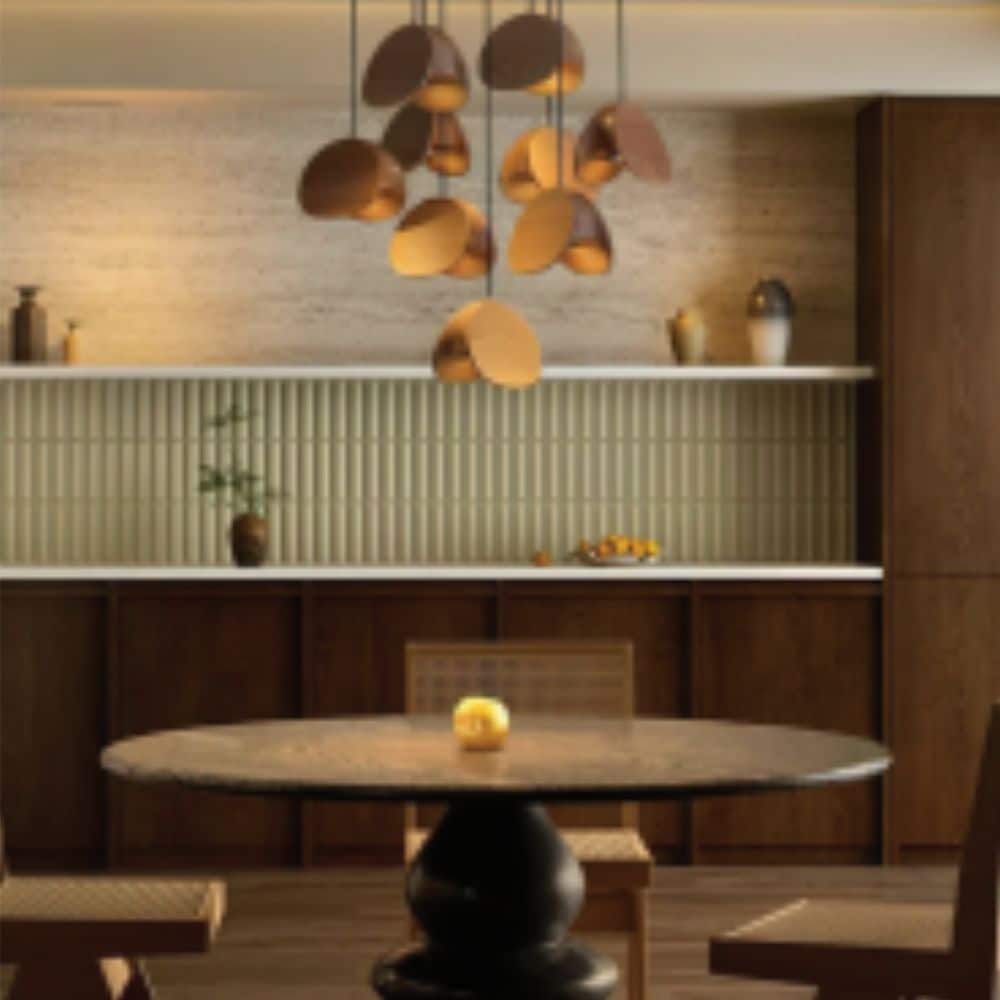
Colour, furniture and finishes may set the scene, but it is lighting that truly shapes how a home feels. From scale and placement to layers and atmosphere, Tara Lamb of LAM Architects explains why thoughtful lighting design is the key to creating inviting, inspiring spaces.
It’s Not Just Function, It’s Feeling
Ask someone what makes a beautiful home, and they’ll often talk about colour, furniture, or finishes. But there’s one element that underpins everything else, and that’s lighting. Without good lighting, even the best-designed space can fall flat.
With the right approach, lighting can add atmosphere, comfort and clarity at different times of day.
As both an architect and interior designer, lighting is something I think about from the beginning of every project. It’s not a finishing touch; it’s part of the structure that helps set a space.
We need to see light not just as function. The best lighting isn’t only about task lighting and bright spots. It’s also about how a space feels. A harsh overhead light in a living room can make a cosy evening feel clinical and flat, whereas a warm task light can make reading inviting. A kitchen without once-balanced lighting leaves shadows where you most need clarity.
A well-lit home isn’t necessarily a bright home – it’s about the right light in the right place at the right time of day.
Scale Matters
One of the most common mistakes I see is lighting that’s simply too small for the room. A tiny pendant over a large kitchen island or a barely-there chandelier in a tall hallway ends up looking diminished and slightly apologetic.
Don’t be afraid to go bigger. A bold fitting can become a focal point and anchor a space beautifully. The size of a light isn’t just about the fixture itself; it’s about how it holds its own in the room. High ceilings, wide rooms, and generous rooms all benefit from generous lighting.
Think in Three Layers and Levels
One of the guiding principles I use in lighting design is to think in three. That applies in several ways:
- Foreground, midground, background: Lighting should give depth to a room. That could be a floor lamp drawing attention to a reading nook (foreground), a ceiling pendant defining the centre (midground), and overall wall lighting that washes over texture or art (background).
- Ceiling, wall, and floor: Don’t rely only on overhead fittings. A mix of pendant or ceiling lights, wall sconces and floor or table lamps creates balance and softness. This layered lighting gives you flexibility for different times of day and different moods.
- Grouping: In some cases, especially over islands or dining tables, a group of three smaller lights can look more balanced and dynamic than one large one. It also helps create rhythm and balance across a space.
Lighting as Part of the Architecture
In our projects at LAM Architects, lighting is never an afterthought. We integrate it into ceiling details, wall panelling, cabinetry and furniture.
We think about where switches go and how circuits work, so you’re not stuck with an “all on or all off” scenario.
We also help clients visualise the effect of lighting – how a room will look at different times of day and how to avoid harsh shadows or overlit zones. It’s all part of creating spaces that feel layered, inviting and alive.
Lighting isn’t just about the practical design tools, but also one of the most emotional. It defines how colour reads, how materials feel, and how you experience a space. With the right scheme, thoughtful placement and a layered approach, lighting can transform a home more than almost any other design decision.
So next time you’re tempted to just “pop in a pendant,” pause and think about the atmosphere you want to create, then light it accordingly.
📍 LAM Architects and Interiors
2–4 Church Road, Holywood
📞 Call: +44 28 90 13 222 0
💬 Or message on Facebook/Instagram